Solar + Battery Backup in Puerto Rico: DOE Resilience Funds, PREPA Net Metering & Why It Matters
By Nespola Solar Solutions Team
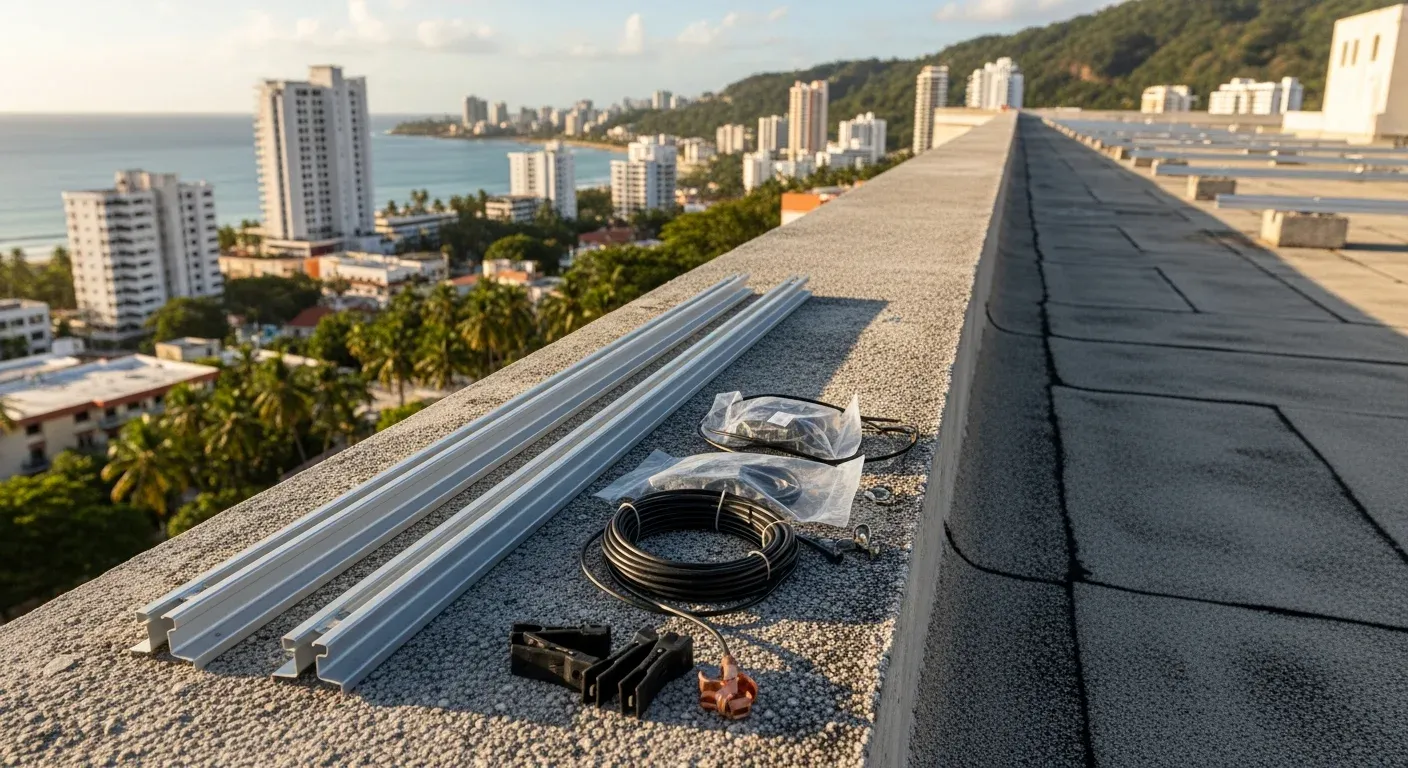
In most U.S. markets we treat a battery as an option. In Puerto Rico it is part of the system. The island has year-round sun and a grid that has not earned the right to be the only source of power in the house. After Hurricane Maria in 2017 — and through the load shedding and multi-hour outages that followed — families learned that midday kilowatt-hours are not the same thing as lights when the feeder is down.
Nespola Solar Solutions connects Puerto Rico homeowners with Tier 1 solar and storage. We shop multiple installers so you compare backup duration, chemistry, and interconnection, not just a panel count.
Why battery backup is essential
A grid-tied solar array without storage typically shuts down when the grid goes down. That is anti-islanding safety, not a defect. If you need a refrigerator, medical equipment, fans, and communications through a blackout, you need a battery and an inverter that can form an island.
We size backup from loads, not from a brochure. A “whole-home” pitch that never lists which circuits survive a 12-hour outage is marketing. A partial-home essential-loads panel that keeps refrigeration, a few lights, and internet alive for two days can be the better buy.
PREPA net metering and interconnection
Puerto Rico’s net metering program for eligible customer-generators lets a rooftop system export surplus to PREPA and receive bill credit under the current regulation and tariff. Get the export credit rate in writing — energy-charge offset, non-bypassable charges you still pay, and what happens to leftover credits at settlement.
Interconnection is its own project: application, one-line, municipal permit, install, inspection, bidirectional metering, permission to operate. Storage adds listed equipment, a labeled backup-loads panel, and documentation of grid-tied versus islanded behavior. Incomplete paperwork is the usual delay.
Do not oversize past what net metering will credit at a useful rate if your real goal is backup. Export that pays little does not keep the freezer cold at midnight. We model PREPA credits and backup hours as two jobs that share a roof.
Start on our Puerto Rico service area page with 12 months of kWh and the circuits you refuse to lose.
DOE ERC Loan Program
The U.S. Department of Energy’s Energy Resilience and Conservation Loan Program Fund (ERC Loan Program) offers low-interest financing for eligible Puerto Rico solar-plus-storage projects. It is a loan, not a grant. Confirm whether residential rooftop plus storage is in the current window, the rate and term, any contractor or equipment lists, and how the loan interacts with the federal ITC and installer financing.
We will not model a DOE rate you have not been qualified for. We will say whether a program loan or a conventional solar loan is the cleaner path on your credit and timeline.
Federal ITC at 30% — who can claim it
The federal residential credit is 30% of qualified costs. Puerto Rico is part of the United States for that credit. The nuance: you claim it on a federal income tax return. Residents who pay federal income tax — including many who file Form 1040 because of mainland-source income or federal employment — can use it, with carryforward if needed. Residents whose only filing is a Puerto Rico return, with no federal liability, generally cannot turn the ITC into cash. Cash and loans typically keep the credit with you; leases and many PPAs assign it to the fund.
We ask about federal filing status on the first serious call so the savings slide is not built on a credit you will never see.
LFP batteries: whole-home vs. partial
Lithium iron phosphate (LFP) is the chemistry we prefer for island duty: more cycle life and thermal stability than older NMC packs sold on energy density. Usable kWh, continuous kW, and whether the inverter can start a well pump or an air compressor matter more than the logo on the enclosure.
Partial backup isolates essential circuits and is usually cheaper and faster to permit. Whole-home backup needs enough inverter power and battery energy to carry the service, plus a plan for large loads. Storm season is when families discover they bought kWh and not kW. Commissioning should actually island the house.
Zero out-of-pocket and the broker model
“Zero out-of-pocket” means a qualified homeowner can install without a check at signing because a lender or a program is putting up capital. It does not mean the system is free. Nespola prefers owned systems so you keep residual value and, where you qualify, the ITC. We shop Tier 1 installers on the same usage file so backup hours and PREPA interconnection speed are compared side by side. For qualified projects, that shopping does not add a line-item broker fee on your proposal.
For Puerto Rico math that includes blackout hours, start on Puerto Rico or Get a Free Solar Estimate. Call (215) 431-3330 with a recent bill, your municipality, and the circuits you need during an outage.
Ready to go solar? Call (215) 431-3330 or Get a Free Estimate →